
Even if your cat seems perfectly healthy, routine wellness exams are a key part of lifelong care. These visits help catch early signs of illness, track health changes over time, and give your veterinarian the chance to guide your cat's care proactively. At Forest Grove Veterinary Clinic in Saskatoon, Saskatchewan, we encourage regular checkups to keep your cat feeling their best.
This page covers what happens during a wellness exam, what your vet is looking for, and why early detection and preventive care are so important to your cat's long-term health.
What is a cat wellness exam?
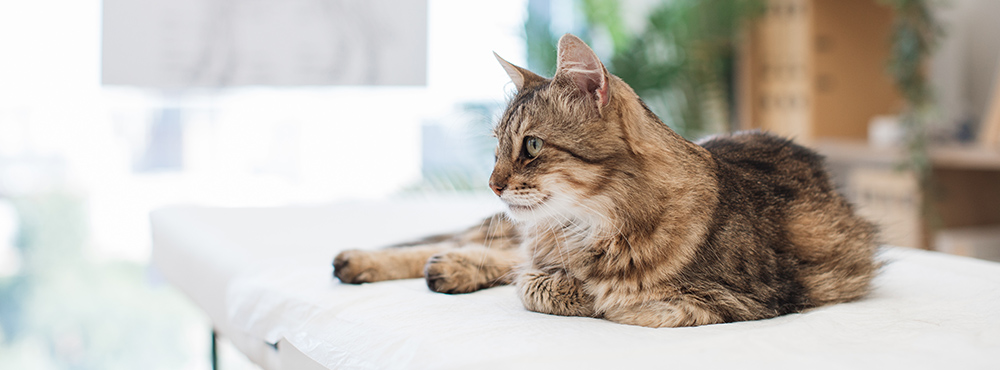
A cat wellness exam is an exam that we regularly conduct to ensure the longevity of your cat and look for potential signs of health problems. It consists of a comprehensive physical exam plus conversations about critical preventative services, such as vaccinations. Your cat's wellness appointment is also an excellent time to bring up any questions or concerns you may have about their health, diet, or behaviour.
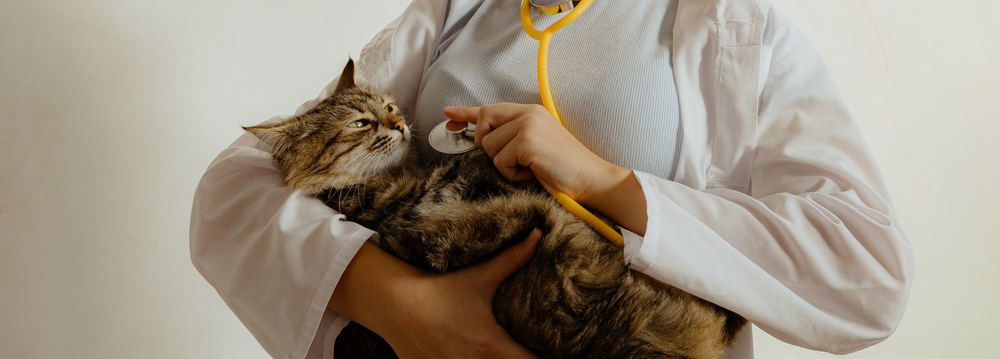
A typical feline wellness exam begins with checking the patient's teeth, ears, eyes, musculoskeletal system, neurologic system, and abdomen. Generally, we start at the head and work our way back to the tail. As your cat's veterinarian, we will tailor their wellness exam to suit their unique needs. If, for example, we know that your kitty is prone to ear infections, we might spend extra time examining their ears. We encourage you to bring up any questions or concerns you may have to ensure we can provide the best and most complete wellness care for your feline friend.
It also gives your veterinarian a chance to ask all about your cats day to day (what they eat, how much they are drinking, what their activity is like) and assess for any subtle changes or red flags that may be the subtle signs of illness. Talking about your cats day to day is just as important as the physical exam in ensuring your cat is living its best life" – something about how a history will be involved and its importance!
Is there anything specific you'll be looking for during my cat's wellness exam?
We'll look for several things during your cat's wellness exam. In addition to assessing their overall condition, we'll search for abnormalities that could indicate underlying health problems.
Some of the most common things we look for during feline wellness exams include:
- Abnormal lumps or bumps
- Cloudiness in their eyes
- Redness or excessive wax accumulation in the ears
- Damaged or missing teeth
- Signs of pain or discomfort
- Gum Disease
- Skin irritation
- Parasites
We also listen to our patients' hearts and lungs to listen for signs of fluid in the chest, heart murmurs, and abnormalities in the respiratory system.
Will my cat's wellness exam require any specific lab work or procedures?
We may recommend lab work and additional procedures depending on your cat's age, lifestyle, and other factors. We often suggest routine screening to monitor baseline values and keep an eye out for common health problems. If you have recently adopted a kitten, they might need a fecal test to check for parasites and feline leukemia or FIV screening.
If your cat is a senior or has a medical issue, we may recommend blood work and X-rays of the heart, lungs, and joints. We will help you determine which tests and procedures would provide the most significant benefit to your cat.
How does wellness impact the longevity and health of my cat?
The primary goal of wellness care is the prevention of disease. After all, preventing a problem is much easier and more effective than treating or curing something that has already occurred. Keeping up with annual cat wellness exams also allows us to catch potentially life-shortening problems in their earliest stages. This typically results in a much better prognosis and allows your cat to maintain a good quality of life.
When should I bring my cat in for a veterinary wellness exam?
The frequency at which you should bring your cat in for wellness exams varies depending on their life stage. Young kittens need to be seen every few weeks to start them off on the right foot (well, paw!) with appropriate vaccinations and preventative care. Healthy adult cats that don't go outside need at least one wellness exam per year, but two is ideal. Animals age much faster than humans, so it's crucial to stay on top of wellness care with annual cat check-ups.
When your kitty enters their senior years, we recommend bringing them in every six months. Health problems become more prevalent later in life, and semi-annual exams make it easier for us to detect and treat potential issues. We also strongly recommend semi-annual exams for adult cats that go outside.
What are some signs and symptoms that my cat might not be feeling well?
Cats are notorious for hiding signs of illness, which can make it difficult for owners to detect when something might be wrong. It is important to monitor your cat and take note of any sudden changes in their behaviour or appearance. The following are some key signs and symptoms that may indicate a cat is not feeling well:
- Changes in overall appearance: Sitting in a hunched position, moving less gracefully, carrying their tail differently, or tilting of the head.
- Changes in energy level and sociability: Withdrawn behaviour, hiding, or becoming more clingy and demanding.
- Changes in coat appearance and shedding: Developing a dull or ungroomed coat.
- Changes in appetite: Sudden loss or gain of appetite that doesn't return to normal eating behaviour within 48-72 hours.
- Litter box usage: Improper use of the litter box, such as going outside the box or straining to urinate.
- Breathing difficulties: Rapid breathing or shortness of breath even when resting.
- Discharge from eyes or nose: Any unusual discharge is worth noting.
- Vomiting, diarrhea, or constipation: These can be symptoms of various health issues and should be monitored closely.
- Weight changes: Sudden weight loss or gain can indicate an underlying issue.
- Bad breath: Indicates a dental issue or other underlying health problem.
Common health issues in cats include kidney disease, dental disease, cancer, feline lower urinary tract diseases (FLUTD), feline immunodeficiency virus (FIV), feline leukemia virus (FeLV), diabetes, and upper respiratory infections. Each of these conditions may have unique symptoms, but the general signs listed above can help pet owners identify when something might be wrong with their cat.
What are some possible environmental factors that can affect cat wellness?
Some cats are more sensitive to their surroundings and environmental factors. The factor that has the most significant impact on a cat's overall wellness, though, is whether they go outside. Indoor cats have less exposure to disease than those who venture outdoors.
Other environmental factors that could affect your cat's wellness include:
- Allergies
- High temperatures
- Internal and external parasites
- Air pollution
Keep in mind that cats are creatures of habit. As such, they may experience stress when their environment changes. Adding a new pet to your family, spending less (or more) time at home, or even rearranging your furniture could impact your cat's wellness by increasing their stress levels.
Why is early detection so important to the wellbeing of my cat?
Early detection is vital in ensuring the long-term health and wellbeing of your cat. When problems are detected early, it is possible to get ahead of the issue and prevent it from becoming much more serious. Full-blown diseases are often challenging to treat. With early detection, though, many can be cured. At the very least, early detection allows us to manage symptoms and help your cat maintain a good quality of life.
How does wellness impact the longevity and health of my cat?
The longer you can keep your cat free of diseases and parasites, give them proper nutrition, maintain a healthy body weight, ensure good dental care, and detect issues early, the longer and more happily they will live.
When it comes to older cats, looking for minor changes that may indicate a problem is critical, as older cats are prone to developing kidney disease, hyperthyroid disease, and diabetes. Intervening early makes it easier to address the problem than dealing with a late-stage illness and managing symptoms.
Why is early detection of illness so important in the well-being of my cat?
The sooner your veterinarian discovers an issue, the quicker treatment can begin and the better the outcome will be. Finding medical issues before there are symptoms is far better than having symptoms and illnesses that may be difficult to reverse. Regular wellness checks, establishing baselines, and discovering things early can all benefit your cat in the long run.
If you have additional questions about cat wellness exams, we'd be happy to help. Reach out to us by calling (306) 955-6111 or sending an email to contact@forestgrovevet.com. Don't forget to follow us on Facebook.