
What vaccinations does my dog need and why are they important?
The vaccinations that are most important in our part of the world are rabies, parvo, distemper, hepatitis, also known as adenovirus, and parainfluenza. Some dogs, if they frequently visit other dogs or go to public places, are also recommended to get a kennel cough or bordetella vaccine.
Are vaccines for dogs really safe?
Yes, vaccines for dogs are very safe. Some dogs can feel a little bit under the weather for a day or two after vaccinations, but the consequences of not being vaccinated can be really serious. Vaccines are always safer than having the disease we're vaccinating against.
Are there any risks or side effects associated with dog vaccinations?
Any vaccination that we or our pets receive can cause us to feel a little bit under the weather, maybe not as energetic, or not have as much of an appetite for a day or two while our immune system does its job. In rare cases, anaphylaxis or serious allergic reactions can happen, but those occur very quickly within the first 15 minutes. Often, we are able to address those immediately while pets are still in the clinic.
At what age should my puppy receive its first vaccinations?
Most puppies come home around 8 weeks of age, and we should see them at that point for vaccinations. Sometimes puppies receive vaccines before that age, and we should still do a checkup, but they might get vaccines on a slightly different time frame than some other puppies.
How often will my dog need booster shots?
For puppies, booster shots are given every 3 to 4 weeks until they've completed their puppy series. After that, they'll come back for a one-year booster. Depending on when they come in, we can also put them on a three-year vaccination protocol.
What is the difference between core and non-core vaccines for dogs?
Core vaccines are recommended for every puppy or dog in almost all areas of North America because they cover diseases that are very serious and lethal in many cases. If every dog is protected, then no dogs will be infected.
Non-core vaccines are given based on your pet's lifestyle. Some dogs are at higher risk of something like kennel cough because they go to kennels, dog parks, groomers, or places where there are other dogs they don't know. Some dogs travel and go into wilderness areas, putting them at risk for something like leptospirosis. In Saskatchewan, we don't have some of the diseases that exist in warmer climates, so we tailor your dog's vaccine protocol to match their lifestyle.
Why is the rabies vaccine important for my dog?
The rabies vaccine is very important. One reason is that the vaccine is really easy to give to dogs. For those of you who have never been vaccinated against rabies like we have in the clinic, it's quite an ordeal for humans to get vaccinated and protected. Secondly, rabies is 100% lethal, and if your dog is exposed to rabies, there is really no chance. We want to prevent that as much as we possibly can.
What is the distemper and parvo vaccine and what does it protect against?
The distemper and parvo vaccine protects against those two diseases, which are tough to prevent, especially in puppies, because they exist in the environment. They will always cause disease, and sometimes that disease is serious enough to be life-threatening. The vaccine works really well, and even if they haven't had all of their puppy vaccines, they're still at less risk if they've had some.
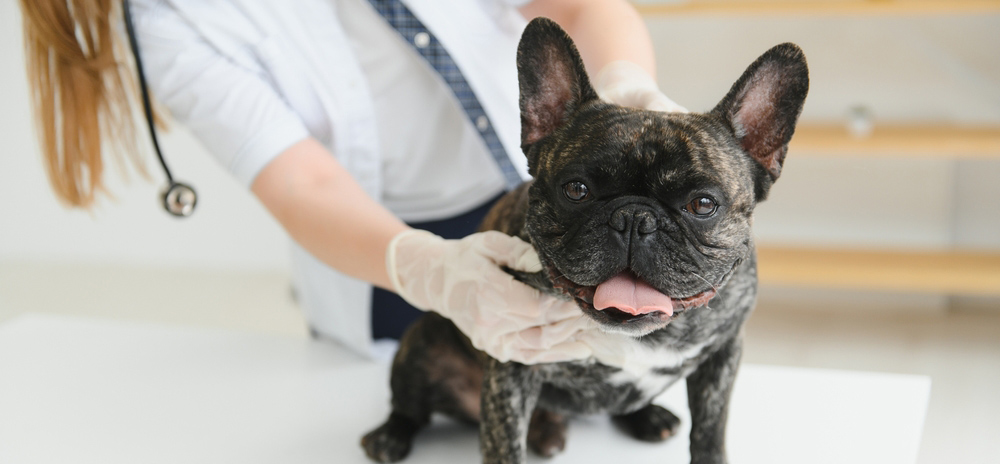
What are the symptoms of an adverse reaction to a vaccine?
Adverse reactions are different from side effects. Side effects are things that we expect to happen after vaccines, such as dogs feeling a little bit tired and under the weather. Adverse reactions are unexpected events. In the case of dogs, they can have anaphylactic reactions, which are very rare but serious and need to be treated immediately. They can also have vaccine site adverse reactions, where the place we gave the vaccine can get swollen, red, or discharge, and sometimes the hair can fall out. All of these should be reported to your veterinarian.
What would be the symptoms of my dog having an anaphylactic reaction?
Anaphylaxis in dogs looks like either intense immediate vomiting and diarrhea after a vaccination or it can look like fainting.
Will my dog be sick after their vaccination?
Generally, no. Most dogs do just fine after their vaccines. In rare cases, they can feel a little bit under the weather and a little bit tired, maybe not have as much of an appetite for a day or two. In very rare cases, they can have an anaphylactic reaction that needs immediate treatment, but those reactions happen within 15 minutes of a vaccination. Usually, your pet is still at the clinic, and we can deal with that right away.
Can my dog be vaccinated if they are sick or on medication?
When we vaccinate, we're asking the body to mount a good immune response to the antigens or the types of diseases in the vaccine. If your dog's immune system is already working on something else because they're sick, we don't expect them to have a good immune reaction to the vaccine, and it may not work as well.
If your dog is on long-term medications but isn't actively sick, then yes, they can have their vaccines. Dogs with chronic diseases are actually at higher risk because sometimes their immune system doesn't work as well, and we need to remind it with a vaccine about the serious diseases we're preventing.
What is kennel cough and should my dog be vaccinated against it?
Kennel cough is the short term for canine infectious respiratory disease complex. It's not specific to kennels. Dogs can get kennel cough signs, such as a dry hacking cough, from contact and sharing airspace with other dogs, whether in a groomer situation, at the dog park, or daycare. Lots of different places can put your dog at higher risk.
Can vaccinations be harmful if my dog is pregnant?
Many of the vaccines we use are called modified live viruses, and they can cause harm to puppies that aren't born yet. Vaccinating pregnant dogs can be a risk.
Are there any dogs that shouldn't be vaccinated?
Dogs that have had an anaphylactic reaction in the past or have a severe adverse reaction to a vaccine may not be recommended to get that vaccine in the future.
How can I keep track of my dog's vaccination schedule?
It can be a real challenge to keep track, especially if your dog is on a three-year return for many of the vaccines. The good news is we will have the records. If you're ever unsure, you can always give us a call. If you want to keep track at home, there are vaccine booklets that you can fill out, and you can even bring them into the clinic, and we'll help keep them up to date for you. You can also put reminders in your phone, but I definitely recommend checking with us because that's our job to do.
What should I do if I miss my dog's vaccination appointment?
Give us a call. Sometimes we have lots of leeway in when we can vaccinate, and sometimes we re-evaluate based on changes in your dog's lifestyle anyway. Give us a call, and we can definitely check whether we need to see them immediately or whether we can schedule that for the future when they're next visiting.
What should I do if I notice my dog's behaviour change after a vaccination?
If you're noticing behaviour changes after a vaccination, that's worth noting and certainly letting us know about. It's not common for dogs to have any kind of behaviour change after a vaccination, and we would be worried about something else going on.
At Forest Grove Veterinary Clinic, your pet is our priority. If you have any questions, don't hesitate to call our team at (306) 955-6111, or you can email us at contact@forestgrovevet.com. Our staff would love to talk with you! Don't forget to follow us on Facebook.