
Cat Dental Care, Cleaning, Brushing, Surgery and More - Veterinary Advice
As a cat owner, you want what's best for your feline family member and have likely turned to the Internet to learn about home dental care for cats and whether your cat's teeth need professional cleaning. Unfortunately, not all of the information presented online is accurate. Here at Forest Grove Veterinary Clinic, we're passionate about helping cat owners give their furry friends the best lives possible. That's why we decided to answer some of the most commonly asked questions about cat dentistry. We're glad you found this resource and hope it contains the information you need.
If your cat needs a dentist in Saskatoon, Saskatchewan, let us help. When it comes to maintaining healthy cat teeth, it all starts with an exam. Call us now at (306) 955-6111 to schedule an appointment and get your cat on the road to a healthy smile.
What is involved in cat dental care?
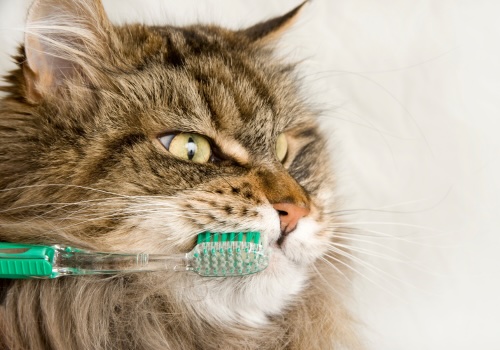
Cat dental care consists of two main components: Home care and veterinary care. The home care portion includes brushing three to four times per week (we can teach you how to brush your cat's teeth) and feeding dental diets and treats to help control plaque and tartar. This is vital because plaque and tartar are significant problems in cats and lead to gingivitis and periodontal disease.
Veterinary care includes professional exams, x-rays, cleanings, and other services performed in our office.
How does dental health impact the overall health of my cat?
Dental health is a critical component of your cat's overall health. What happens to the mouth affects the whole body, so disease affecting the teeth and gums impacts nearly every aspect of a cat's well-being. When gums become inflamed and are in constant contact with diseased teeth, bacteria can enter the bloodstream through the irritated gum tissue and circulate throughout the body, potentially affecting major organs such as the heart, kidneys, and liver. In fact, keeping your cat's mouth healthy adds two to three years to their life. Keeping up with dental care is essential for comfort because gingivitis and periodontal disease cause pain.
Without proper dental care, cats can experience a wide range of problems, including:
- Loose or broken teeth
- Cavities
- Infections
- Heart, kidney, and liver damage

What types of dental care should I be doing at home?
There are special toothbrushes that you can buy and tiny finger brushes that you can put on the tip of your finger with cat toothpaste that you should ideally start using when they are kittens. You can find these products online, at the pet store, or often at the clinic. As veterinarians, we understand that the thought of brushing your cat's teeth sounds strange, but if you start when they're a kitten and get them used to having their teeth brushed, that's quite beneficial. Any amount of brushing you can do, even if it's just once or twice a week, is helpful. Ideally, it would be every day, but we know that's not completely realistic.
There are also special water additives that you can add to their water—antibacterial solutions that help with the plaque biofilm on the teeth. Some cats don't like the flavor of that, so they may not drink the water with the additive in it.
Over-the-counter dental treats such as dental Greenies also have components to them that reduce the plaque and tartar accumulation in your cat's mouth along with freshening their breath. They rub on the side of the tooth, and this action is what can remove plaque. Dental toys are similar to that and, although they don't fall apart like dental treats, they usually have grooves that offer the same mechanical action.
Lastly, a good dental or well-balanced diet can be a simple way to help your cat in this regard, too. Feeding your cat a dental-approved diet that offers those same effects can be highly beneficial, especially since cats obviously eat every day, so talk to your veterinarian about what this entails.
Because cats can be finicky about water additives, treats, and their food, the most significant thing we recommend for all cats is a dental cleaning every year at the vet hospital with general anesthesia and x-rays to stay on top of things that may be occurring in the mouth.
What are some signs and symptoms that a person might see to know that their cat has dental issues?
Bad breath is the number one sign of dental problems. Though many pet parents think foul-smelling breath is normal, it often indicates an underlying problem. Cats are masters of hiding signs of pain and illness, but there are subtle signs to watch for.
A few of the most common signs of dental issues in cats include:
- Tooth discoloration, tartar, plaque
- Drooling
- Dropping food while eating
- Shifting food from one side of the mouth to the other
- Ulcers in the mouth
- Swelling in or around the mouth
- Losing teeth
- Grinding teeth
- Chattering teeth
Keep a close eye on your cat's behaviour, and monitor their food intake. Because cats are so good at hiding their symptoms, even subtle changes warrant a veterinary visit.
What are the things you look for when you examine a cat's mouth?
When examining a cat's mouth, we look for plaque and tartar buildup on the teeth. We also closely look at the gums to check for signs of gingivitis, inflammation caused by disease beneath the gum line, and common oral health problems.
Cats are prone to oral health problems such as:
- Stomatitis
- Tooth resorption
- Tumors, growths, and lesions
Stomatitis is a severe allergic reaction of the mouth to the teeth and causes pain and significant dental issues. Without treatment, it can even be fatal. Tooth resorption is another painful condition in which a cavity below the gum line causes the teeth to be reabsorbed by the body. We check for these issues during your cat's dentistry appointment, plus things like tumors, growths, and lesions.
How do you diagnose dental problems in cats?
Aside from a comprehensive visual examination, we perform dental x-rays while the patient is under general anesthesia to get a clear picture of exactly what's going on inside their mouth. X-rays allow us to view the portion of the tooth that lies below the gum line, enabling us to spot abscess below the gumline, root decal, tooth root resorption, fractured tooth roots, and other painful conditions not visible during a visual exam.
What are some possible conditions that are caused by poor dental health? And what are the treatments?
Periodontal disease is the biggest problem associated with a lack of dental care. While it typically begins as plaque and tartar, it quickly leads to gingivitis, which causes infection in the roots of the teeth. The mouth is connected to the rest of the body by the bloodstream, and once the infection enters the bloodstream and spreads to the heart, kidneys, and liver, it causes organ damage and can lead to a terminal situation.
When we detect periodontal disease in its earliest stages, a professional cleaning can stop its progression. Sometimes, we need to extract badly damaged and diseased teeth to prevent further detriment to the patient's health. In cases of advanced disease, we must treat infections and address organ dysfunction. The exact treatments vary depending on the nature and severity of the problem.
The Cornell Feline Health Center is an excellent resource if you have questions about feline dental disease. As your cat's veterinarian, we are also here to address any questions or concerns you may have.
Why Choose Forest Grove Veterinary Clinic for Cat Dental Care?
Forest Grove Veterinary Clinic is an excellent choice for cat dental care because we understand the importance of maintaining your cat's oral health and are committed to providing exceptional services. Here at Forest Grove Veterinary Clinic, we emphasize prevention to avoid potentially painful and life-threatening oral health issues. We offer a comprehensive range of dental care services, including dental exams, X-rays, and cleanings using state-of-the-art equipment. We also work with pet owners to create customized dental care plans tailored to each cat's unique needs. Our team of experts has the knowledge and experience needed to address the unique needs of cats' oral health.
Prioritizing your cat's dental care is essential to their overall health and well-being. Choosing Forest Grove Veterinary Clinic for your cat's dental care ensures that your feline friend receives professional, comprehensive, and compassionate care from a team that understands the importance of maintaining good oral health in cats.
If you live in or near Saskatoon, Saskatchewan, and are looking for pet care, contact us at (306) 955-6111 to set an appointment. You can also email us at contact@forestgrovevet.com. Our staff would love to talk with you! Don't forget to follow us on Facebook.