
While most dedicated dog owners visit the veterinarian when their pets are sick, many overlook the importance of regular wellness exams for maintaining their dog's overall health and longevity. Establishing a solid wellness routine is important to your dog's long-term well-being. We're glad you're here checking out proactive care for your dog, and we're here to help! At Forest Grove Veterinary Clinic, we're committed to providing the accurate information you need to keep your dog as healthy as possible. Unfortunately, not all online sources are reliable, so we've answered the most common questions about dog wellness to help you get your pet on the path to optimal health.
If you're in search of a skilled and compassionate veterinarian in Saskatoon, Saskatchewan, we'd love to assist you in caring for your dog and any other pets. If your dog hasn't had a wellness exam recently (or ever!), that's the first step, so please call us today at (306) 955-6111.
What is involved in a dog wellness exam?
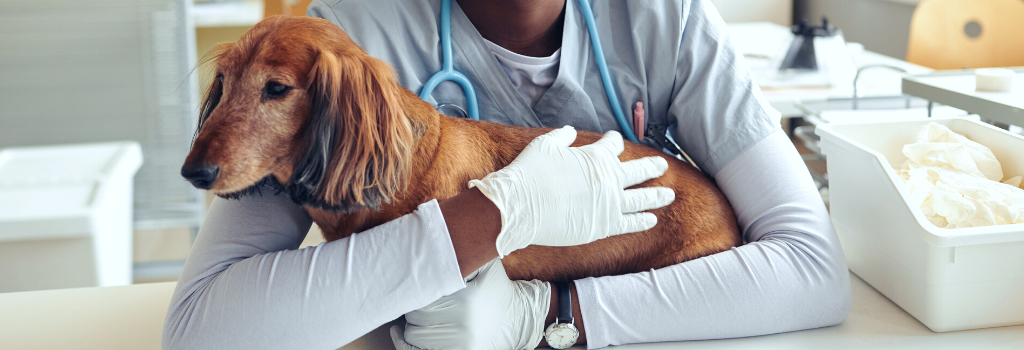
A wellness examination is when a veterinarian looks at your dog from the tip of their nose to the end of their tail, checking everything along the way. It is a complete and comprehensive physical exam to gauge the dog's overall health and wellness.
The progression of a dog wellness exam typically includes:
- Conducting an eye examination looking to see if their eyes are bright and healthy.
- Examine the ears for any signs of discharge, redness, or abnormalities.
- Inspecting the mouth for healthy pink gums and assessing dental health, including tartar buildup and signs of gingivitis.
- Feeling the lymph nodes for any unusual enlargement.
- Palpating the abdomen to check the kidneys, bladder, and spleen.
- Listening to the heart and lungs with a stethoscope to monitor heart rate, rhythm, and lung function.
- Checking the reproductive organs, particularly in intact males and females.
- Assess for any fear or anxiety your dog feels in clinic and ensure their visit is enjoyable as well as thorough.
What should I bring to a wellness exam?
For a successful wellness exam, bring a detailed history of your dog's behaviour at home, including what you consider normal and any unusual changes. If your dog is older and on prescription medications, bring a list of those medications. Also, note the brand and type of dog food you're feeding your pet.
How does dog wellness impact the longevity of my pet, and why is early detection so important?
It's the same as in people—prevention is far better than chasing down things after finding issues later. Many diseases can occur, and the prognosis is nearly always better when you catch these conditions earlier rather than later. For instance, when it comes to things like finding a heart murmur on a puppy, there might be surgeries that you can do. Some treatments could happen earlier rather than having a dog going into full-fledged heart failure. Catching cancer early is far better than diagnosing it in its end stages. You might be able to do some treatments on that and remove a lump when it's small versus when it's enlarged.
Essentially, wellness exams are meant to be on healthy pets, but it's incredible how many times we find underlying issues because dogs tend to be very stoic, and they hide these issues so well. And while longevity is the goal for our dogs, we also want to ensure a good quality of life.
How soon should I bring my dog in to see a veterinarian for a wellness exam?
Examinations should start at a very young age, with puppies seen for the first time at about 8 weeks old. Your veterinarian will do a wellness exam to ensure that we're starting on the right foot. From there, you'll bring your puppy in every month for booster vaccines, which will also include an exam. Once their initial vaccine series is complete at four months of age, your dog will see their veterinarian for annual wellness exam, even in years they do not need vaccination. Adult dog vaccinations are not all done yearly.
If you're bringing home an older dog that you've adopted, you should bring them in to see your veterinarian as soon as possible to ensure they're healthy. This is especially important if you have other pets to avoid transmission of any diseases.
Will additional testing be needed beyond a wellness exam, and what are those tests?
Your veterinarian will recommend fecal checks during a routine wellness exam. There will also be baseline blood work to understand their overall wellness and to gauge against future blood work.
Additional tests will depend on what they find — if anything — such as a lump, something abnormal felt in the belly, or a heart murmur.
Testing also depends on the age of the pet. In older dogs, your veterinarian will recommend more extensive testing, such as a urinalysis or blood work, to check against their baseline for organ function. They may recommend wellness exams every six months, depending on your dog's particular circumstances.
How does my veterinarian assess my dog's wellness?
At Forest Grove Veterinary Clinic, we're looking to establish your dog's baselines and understand what is normal for them. We know certain milestones should be happening, such as growth in a puppy, and we're looking for things that we can use as a comparison later. There are a lot of situations that require blood work, and it's easier to understand what's abnormal when we have a baseline against which to check. Something typical for your dog might be unusual for others, so it helps us know when to worry and when not to.
What are some wellness recommendations that you might make to a pet parent?
There are some widely recognized and universal recommendations that nearly all veterinarians will make during your well visits, from prevention and dental care to nutrition and weight discussions.
Some wellness recommendations that your veterinarian is likely to make during your dog's wellness visit are:
- Core vaccines
- Non-core vaccines based on lifestyle
- Parasite prevention
- Weight discussions and possible weight loss tips
- Home dental care recommendations and possible recommendations for an in-office dental cleaning
- Advice on how to monitor changes in your dog's behaviour at home
- Nutrition recommendations
A lot of these recommendations will be tied to your dog's age and, again, lifestyle.
What environmental factors can affect my dog's health?
Your dog's environment plays a significant role in their overall health. Factors like whether your dog spends most of their time indoors or outdoors, the safety of their surroundings, and potential exposure to toxins or allergens are noteworthy considerations. Additionally, climate-related concerns, such as exposure to mosquitoes or extreme heat, should be addressed. Even feeding habits are an environmental factor, as overfeeding or excessive treats can negatively impact your dog's health.
How do dog wellness exams influence subsequent treatments?
Wellness exams provide a baseline of your dog's health, allowing us to track changes over time. If we detect new issues, such as a heart murmur or weight changes, we can address them promptly. Regular exams help us monitor your dog's health and make informed decisions about any necessary treatments.
What are baseline diagnostic tests, and how do they help my dog?
Baseline diagnostic tests include measurements like weight, physical exam results, and blood work. These tests help us establish what's normal for your dog, making it easier to detect any changes or abnormalities in the future. If any values fall outside the normal range, we can quickly determine if further investigation or treatment is needed.
What is senior dog screening?
Senior dog screenings, often referred to as senior workups, involve a thorough evaluation of your older dog's health. These screenings include blood panels, urine tests, tear tests, checks for hypertension, blood pressure monitoring, and x-rays for heart and organ health. Regular senior workups help detect age-related diseases early, ensuring your dog receives the best possible care as they age.
How often should my older dog come in for screening?
We consider dogs to be senior once they turn eight years old. Sometimes, we deem a giant breed dog such as a Great Dane a senior as young as five or six years of age. Once your dog becomes a senior, your veterinarian will recommend coming in every six months for a wellness exam. However, if they're showing changes or signs of anything, don't wait until their exam to bring them in.
If you live in or near Saskatoon, Saskatchewan, and are looking for quality pet care, come visit us at Forest Grove Veterinary Clinic where your pet is our priority. Contact us at (306) 955-6111 to set an appointment, or email us at contact@forestgrovevet.com. Our staff would love to talk with you! Don't forget to follow us on Facebook.